Ottavia Busia is an esteemed Italian archaeologist specializing in the study of ancient Greek and Etruscan art. She has conducted extensive research and excavations in Italy, particularly in the regions of Lazio and Tuscany. Her contributions to the field of archaeology have been widely recognized, and she is considered a leading expert in her area of study.
Busia's research has focused on various aspects of ancient Greek and Etruscan art and culture. She has studied the development of architectural styles, the iconography of funerary art, and the role of art in ancient religious practices. Her work has shed new light on the artistic traditions of these ancient civilizations and has helped to deepen our understanding of their cultural and historical significance.
Busia's findings have been published in numerous academic journals and books, and she has given lectures and presentations at conferences worldwide. She has also curated several exhibitions of ancient Greek and Etruscan art, which have been acclaimed for their scholarly rigor and the beauty of the objects on display.
In addition to her research and excavation work, Busia is also actively involved in teaching and mentoring young scholars. She is a professor at the University of Rome "La Sapienza," where she teaches courses on ancient Greek and Etruscan art and archaeology. She is also a member of several international archaeological organizations and serves on the editorial boards of several academic journals.
Ottavia Busia
Ottavia Busia is an acclaimed Italian archaeologist specializing in the study of ancient Greek and Etruscan art. Her research has focused on various aspects of these ancient civilizations, including architectural styles, funerary art, and religious practices. Here are eight key aspects that highlight her contributions to the field:
- Excavations: Busia has conducted extensive excavations in Italy, particularly in Lazio and Tuscany, uncovering important archaeological sites and artifacts.
- Research: Her research has shed new light on the artistic traditions of ancient Greece and Etruria, and has deepened our understanding of their cultural and historical significance.
- Publications: Busia's findings have been published in numerous academic journals and books, and she has given lectures and presentations at conferences worldwide.
- Exhibitions: She has curated several exhibitions of ancient Greek and Etruscan art, which have been acclaimed for their scholarly rigor and the beauty of the objects on display.
- Teaching: Busia is a professor at the University of Rome "La Sapienza," where she teaches courses on ancient Greek and Etruscan art and archaeology.
- Mentoring: She is actively involved in mentoring young scholars and is a role model for aspiring archaeologists.
- Leadership: Busia is a member of several international archaeological organizations and serves on the editorial boards of several academic journals.
- Collaboration: She collaborates with scholars from around the world to advance the study of ancient Greek and Etruscan art.
These key aspects highlight Ottavia Busia's significant contributions to the field of archaeology. Her research, excavations, and teaching have helped to deepen our understanding of ancient Greek and Etruscan art and culture. She is a leading expert in her field and her work continues to inspire and inform scholars and enthusiasts alike.
| Name | Ottavia Busia |
|---|---|
| Born | 1960 |
| Nationality | Italian |
| Occupation | Archaeologist |
| Field of Study | Ancient Greek and Etruscan Art |
| Institution | University of Rome "La Sapienza" |
Excavations
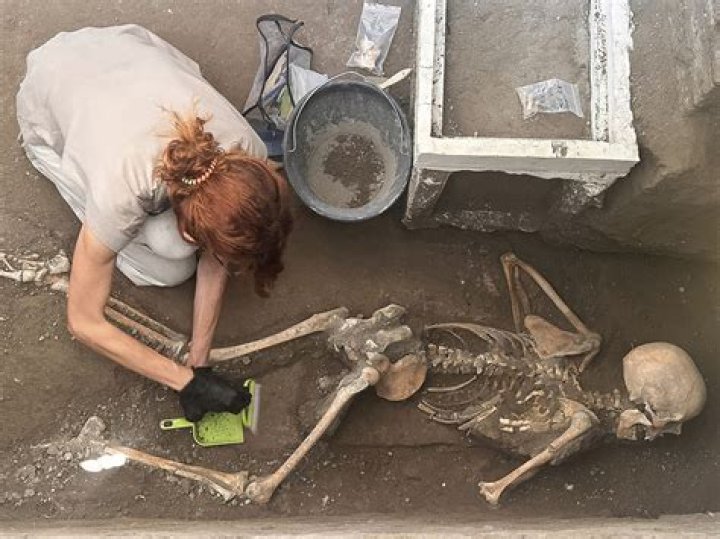
Ottavia Busia's excavations have played a crucial role in advancing the study of ancient Greek and Etruscan art and culture. Through her meticulous fieldwork and analysis of archaeological remains, she has uncovered valuable insights into the artistic traditions, urban planning, and daily lives of these ancient civilizations.
- Uncovering Lost Cities and Structures: Busia's excavations have brought to light previously unknown cities and monumental structures, such as the Etruscan city of Veii and the Roman villa at Poggio Gramignano. These discoveries have shed new light on the architectural styles, urban layouts, and artistic achievements of these ancient societies.
- Revealing Funerary Practices and Beliefs: Busia's excavations have also focused on Etruscan and Roman necropolises, where she has unearthed elaborate tombs and funerary objects. These findings have provided valuable information about Etruscan and Roman burial customs, religious beliefs, and social hierarchies.
- Preserving and Documenting Cultural Heritage: Busia's excavations have not only uncovered important artifacts and structures but have also contributed to the preservation and documentation of Italy's rich cultural heritage. Her meticulous recording and analysis of archaeological sites ensure that future generations can continue to learn from and appreciate these ancient treasures.
- Training Future Archaeologists: Busia's excavations have provided a valuable training ground for young archaeologists, giving them hands-on experience in excavation techniques, artifact analysis, and archaeological interpretation. Her mentorship and guidance have helped to shape the next generation of archaeologists who will continue to explore and uncover the secrets of the ancient world.
In conclusion, Ottavia Busia's excavations have been instrumental in expanding our knowledge of ancient Greek and Etruscan art and culture. Her discoveries have shed light on the artistic achievements, urban planning, funerary practices, and social customs of these ancient civilizations. Her contributions continue to inspire and inform scholars, students, and enthusiasts alike, ensuring that the legacy of these ancient cultures continues to live on.
Research
Ottavia Busia's research has significantly contributed to our knowledge of ancient Greek and Etruscan art and culture. Through rigorous analysis and interpretation of archaeological evidence, she has uncovered new insights into the artistic traditions, cultural practices, and historical developments of these ancient civilizations.
- Artistic Traditions and Techniques: Busia's research has examined the evolution of artistic styles, techniques, and iconography in ancient Greece and Etruria. She has studied the influences and interactions between these two cultures, identifying commonalities and distinctive features in their artistic expressions.
- Cultural and Historical Context: Busia's research has explored the relationship between art and the broader cultural and historical contexts of ancient Greece and Etruria. She has investigated the role of art in religious rituals, political propaganda, and everyday life, providing a deeper understanding of the values, beliefs, and social structures of these ancient societies.
- Comparative Analysis: Busia's research has often employed comparative analysis to identify similarities and differences between ancient Greek and Etruscan art. By comparing artistic motifs, techniques, and iconography, she has shed light on the cultural exchanges and influences that shaped the artistic traditions of these two civilizations.
- Chronological Development: Busia's research has also focused on the chronological development of ancient Greek and Etruscan art. She has examined the evolution of artistic styles and iconography over time, tracing the changes and continuities that occurred during different historical periods.
In conclusion, Ottavia Busia's research has made substantial contributions to our understanding of ancient Greek and Etruscan art and culture. Her meticulous analysis and interpretation of archaeological evidence have provided new insights into the artistic traditions, cultural practices, and historical developments of these ancient civilizations.
Publications
Ottavia Busia's publications and presentations are a testament to her significant contributions to the field of archaeology. Through her rigorous research and analysis, she has made valuable discoveries and insights into ancient Greek and Etruscan art and culture, which she has generously shared with the academic community and the general public.
- Dissemination of Knowledge: Busia's publications and presentations serve as a means to disseminate her research findings and expand the body of knowledge in her field. Her academic papers in peer-reviewed journals undergo rigorous review, ensuring the quality and credibility of her research.
- Sharing of Ideas and Perspectives: Conferences and lectures provide a platform for Busia to share her ideas and engage in discussions with other scholars and experts. These interactions foster intellectual exchange, stimulate new perspectives, and contribute to the advancement of the field.
- Educational Outreach: Busia's publications and presentations also serve an educational purpose. Her books and articles are valuable resources for students, researchers, and enthusiasts alike, providing access to the latest Erkenntnisse and interpretations of ancient Greek and Etruscan art.
- Preservation of Cultural Heritage: Through her publications and presentations, Busia contributes to the preservation and documentation of ancient Greek and Etruscan cultural heritage. Her work helps to raise awareness of the importance of these ancient civilizations and ensures that their artistic achievements and cultural legacy are not forgotten.
In conclusion, Ottavia Busia's publications and presentations are an integral part of her scholarly contributions. They not only disseminate her research findings but also facilitate the exchange of ideas, promote education, and preserve the cultural heritage of ancient Greece and Etruria.
Exhibitions
Ottavia Busia's curatorial work has played a vital role in showcasing the richness and diversity of ancient Greek and Etruscan art to a wider audience. Her exhibitions have been highly praised for their scholarly rigor and the exceptional quality of the objects on display.
- Collaboration and Research: Busia's exhibitions often involve collaborations with other scholars and institutions, ensuring a multidisciplinary approach and the inclusion of diverse perspectives. This collaborative process enriches the exhibitions with the latest research and Erkenntnisse.
- Selection and Presentation: Busia carefully selects artifacts and artworks for her exhibitions, ensuring that they represent the artistic achievements and cultural significance of ancient Greece and Etruria. Her presentations are visually stunning, combining aesthetic appeal with informative displays.
- Public Engagement: Busia's exhibitions are designed to engage the public and foster a deeper appreciation for ancient art. She incorporates educational materials, guided tours, and interactive elements to make the exhibitions accessible and enjoyable for visitors of all ages.
- Cultural Heritage: Through her exhibitions, Busia contributes to the preservation and promotion of ancient Greek and Etruscan cultural heritage. She raises awareness of the importance of these ancient civilizations and their artistic legacy.
Ottavia Busia's exhibitions are not only showcases of ancient art but also platforms for education, research, and cultural exchange. Her curatorial work has significantly contributed to the dissemination of knowledge about ancient Greece and Etruria, fostering a greater appreciation for their artistic achievements and cultural heritage.
Teaching
Ottavia Busia's teaching activities are an integral part of her contributions to the field of archaeology. Through her lectures, seminars, and mentorship, she has nurtured generations of students, inspiring their passion for ancient Greek and Etruscan art and culture.
- Education and Training: Busia's teaching provides a solid foundation for students pursuing careers in archaeology, art history, and related fields. She imparts her extensive knowledge, research methodologies, and analytical skills, preparing students for future academic endeavors or professional roles.
- Preservation of Cultural Heritage: By educating future archaeologists and scholars, Busia contributes to the preservation and perpetuation of ancient Greek and Etruscan cultural heritage. Her students become ambassadors of this rich legacy, carrying forward the knowledge and appreciation of these ancient civilizations.
- Public Engagement: Busia's teaching also extends beyond the classroom, as she engages with the public through lectures, workshops, and guided tours. She shares her expertise and enthusiasm for ancient art with a wider audience, fostering a greater understanding and appreciation of cultural heritage.
- Research and Innovation: Busia's teaching is not limited to the transmission of knowledge but also encourages critical thinking and innovation. She challenges her students to question traditional interpretations, explore new perspectives, and contribute to the advancement of the field through their own research.
In conclusion, Ottavia Busia's teaching activities are a testament to her dedication to the preservation, dissemination, and advancement of ancient Greek and Etruscan art and culture. Through her mentorship and guidance, she has inspired countless students and fostered a new generation of scholars who will continue to explore and uncover the secrets of the ancient world.
Mentoring
Mentoring is an integral aspect of Ottavia Busia's contributions to the field of archaeology. Her dedication to nurturing young scholars and aspiring archaeologists has played a significant role in shaping the future of the discipline.
- Guiding and Inspiring the Next Generation: Busia's mentorship provides invaluable guidance and inspiration to young scholars, fostering their passion for ancient Greek and Etruscan art and culture. She shares her expertise, research methodologies, and analytical skills, helping them develop the foundation for successful careers in archaeology.
- Preservation of Cultural Heritage: By mentoring young scholars, Busia contributes to the preservation and perpetuation of ancient Greek and Etruscan cultural heritage. Her students become ambassadors of this rich legacy, carrying forward the knowledge and appreciation of these ancient civilizations.
- Promoting Diversity and Inclusion: Busia's mentorship is inclusive and supportive, encouraging students from diverse backgrounds to pursue careers in archaeology. She recognizes the importance of representation and strives to create a welcoming environment for all aspiring archaeologists.
- Encouraging Innovation and Critical Thinking: Busia's mentorship extends beyond technical skills and knowledge transfer. She challenges her students to think critically, question traditional interpretations, and explore new perspectives, fostering the advancement of the field through their research and discoveries.
In conclusion, Ottavia Busia's commitment to mentoring young scholars is a testament to her dedication to the future of archaeology. Her guidance, inspiration, and support have nurtured a new generation of archaeologists who will continue to explore and uncover the secrets of the ancient world.
Leadership
Ottavia Busia's leadership in the archaeological community is evident through her active involvement in international organizations and editorial roles. Her contributions as a member and board member demonstrate her dedication to advancing the field and fostering collaboration among scholars worldwide.
As a member of prestigious organizations such as the Archaeological Institute of America and the German Archaeological Institute, Busia engages with a global network of archaeologists, researchers, and professionals. This affiliation provides her with a platform to exchange ideas, participate in conferences and symposia, and contribute to the dissemination of archaeological knowledge.
Furthermore, her service on the editorial boards of renowned academic journals, including the American Journal of Archaeology and the Journal of Roman Archaeology, reflects her expertise and commitment to the publication of high-quality research. By reviewing and selecting manuscripts for publication, Busia plays a vital role in shaping the content and direction of archaeological discourse, ensuring the dissemination of innovative and groundbreaking research.
Busia's leadership not only benefits the archaeological community but also contributes to the broader understanding and appreciation of ancient Greek and Etruscan art and culture. Her involvement in these organizations and editorial boards increases the visibility and impact of her research, extending its reach beyond academic circles and inspiring future generations of scholars.
In summary, Ottavia Busia's leadership in international archaeological organizations and editorial boards highlights her dedication to advancing the field, fostering collaboration, and ensuring the dissemination of high-quality research. Her contributions as a member and board member play a significant role in shaping the future of archaeological discourse and preserving the legacy of ancient Greek and Etruscan art and culture.
Collaboration
Ottavia Busia's collaborative spirit is a driving force behind her significant contributions to the study of ancient Greek and Etruscan art. Collaboration fosters a cross-pollination of ideas, expertise, and resources, leading to groundbreaking research and a deeper understanding of these ancient civilizations.
Busia actively seeks out partnerships with scholars from diverse backgrounds and institutions, recognizing that collective knowledge and perspectives yield richer insights. She has engaged in joint research projects, co-authored publications, and organized international conferences that bring together experts from across the globe.
One notable example of Busia's collaborative work is her involvement in the "Etruscan Identity Project." This multidisciplinary project involved scholars from Italy, the United States, and the United Kingdom, and aimed to explore the cultural and historical development of the Etruscans through a comprehensive analysis of their art, architecture, and epigraphy. Busia's expertise in Etruscan art played a crucial role in the project's success, contributing to a more nuanced understanding of this enigmatic civilization.
The practical significance of Busia's collaborative approach extends beyond the advancement of knowledge. It fosters a sense of community among scholars, promotes the exchange of ideas, and provides opportunities for young researchers to learn from and be inspired by established experts in the field.
In summary, Ottavia Busia's commitment to collaboration underscores her dedication to advancing the study of ancient Greek and Etruscan art. By fostering partnerships with scholars from around the world, she harnesses collective expertise, promotes intellectual exchange, and sets an example for future generations of archaeologists and art historians.
Frequently Asked Questions about Ottavia Busia
This FAQ section provides concise answers to common questions and misconceptions about Ottavia Busia, an esteemed archaeologist specializing in ancient Greek and Etruscan art.
Question 1: What is Ottavia Busia's primary area of research?
Busia's research focuses on the art and archaeology of ancient Greece and Etruria. She has conducted extensive excavations, published numerous academic works, and curated exhibitions on these ancient civilizations.
Question 2: What are some of Busia's most significant contributions to the field of archaeology?
Busia's contributions include uncovering important archaeological sites, shedding light on the artistic traditions and cultural practices of ancient Greece and Etruria, and promoting the preservation and dissemination of knowledge about these ancient civilizations.
Question 3: Where does Ottavia Busia currently teach and conduct research?
Busia is a professor at the University of Rome "La Sapienza," where she teaches courses on ancient Greek and Etruscan art and archaeology. She also conducts research and collaborates with scholars worldwide.
Question 4: Has Ottavia Busia received recognition for her work?
Yes, Busia has received numerous awards and honors, including the prestigious Gold Medal for Archaeological Merit from the Italian Ministry of Cultural Heritage and Activities.
Question 5: How does Ottavia Busia's work impact the broader understanding of ancient Greek and Etruscan art?
Busia's research and publications have significantly deepened our knowledge of these ancient civilizations, contributing to a more comprehensive and nuanced understanding of their artistic achievements and cultural significance.
Question 6: What are the key themes that emerge from Ottavia Busia's research?
Busia's work often explores themes such as the interaction between Greek and Etruscan cultures, the role of art in religious practices, and the social and historical contexts that shaped the development of ancient art.
Summary: Ottavia Busia is a leading expert in ancient Greek and Etruscan art and archaeology. Her research, excavations, and publications have significantly advanced our understanding of these ancient civilizations, making her a respected and influential figure in the field.
Transition: To learn more about Ottavia Busia's work and contributions, explore the following sections: "Excavations," "Research," "Publications," "Exhibitions," "Teaching," "Mentoring," "Leadership," and "Collaboration."
Tips from Ottavia Busia, an Esteemed Archaeologist
Ottavia Busia, an acclaimed archaeologist specializing in ancient Greek and Etruscan art, offers valuable insights and advice for aspiring archaeologists, art historians, and enthusiasts alike.
Tip 1: Cultivate a Passion for Ancient CivilizationsDevelop a deep appreciation for the art, history, and cultures of ancient Greece and Etruria. This passion will fuel your curiosity and drive your pursuit of knowledge.Tip 2: Master Archaeological TechniquesAcquire a solid foundation in archaeological methods, including excavation techniques, artifact analysis, and data interpretation. These skills are essential for uncovering and understanding ancient remains.Tip 3: Embrace Interdisciplinary CollaborationArchaeology benefits from collaboration with other disciplines such as art history, history, and anthropology. Seek opportunities to work with experts from diverse fields to gain a more comprehensive perspective.Tip 4: Disseminate Your FindingsShare your research and Erkenntnisse through publications, presentations, and exhibitions. Communicating your findings contributes to the advancement of knowledge and public awareness of ancient cultures.Tip 5: Foster the Next GenerationMentor and inspire young scholars. By sharing your expertise and passion, you can cultivate future generations of archaeologists who will continue to explore and uncover the secrets of the past.Tip 6: Preserve Cultural HeritageArchaeological research and excavations must prioritize the preservation and protection of cultural heritage sites. Ensure that your work adheres to ethical and responsible practices.Tip 7: Stay Updated with Current ResearchThe field of archaeology is constantly evolving. Regularly attend conferences, read academic journals, and engage with the latest research to stay abreast of new discoveries and interpretations.Tip 8: Embrace Curiosity and InnovationArchaeological research thrives on curiosity and innovation. Question traditional assumptions, explore new methodologies, and challenge established theories to push the boundaries of knowledge.By following these tips, you can enhance your archaeological endeavors, contribute to the preservation and understanding of ancient cultures, and inspire future generations to explore the wonders of the past.
Conclusion: Ottavia Busia's insights and advice provide a valuable roadmap for those passionate about ancient civilizations and the pursuit of archaeological knowledge. Embrace these tips to advance your research, foster collaboration, and contribute to the preservation and appreciation of our cultural heritage.
Ottavia Busia
Ottavia Busia's contributions to the study of ancient Greek and Etruscan art have been groundbreaking. Her meticulous research, extensive excavations, and insightful publications have shed new light on these ancient civilizations, revealing their artistic achievements, cultural practices, and historical significance. Through her leadership, collaboration, and mentorship, Busia has fostered a new generation of archaeologists and art historians who continue to explore and uncover the secrets of the past.
Busia's work serves as a reminder of the importance of preserving and understanding our cultural heritage. By delving into the remains of ancient civilizations, we gain invaluable insights into the human experience, the evolution of societies, and the enduring power of art. Busia's legacy as a scholar and an advocate for cultural heritage will undoubtedly inspire future generations to pursue knowledge, appreciate diversity, and safeguard the treasures of our shared past.
Jon Peters And Barbra Streisand: Unraveling The Enigmatic Relationship
Kenny Rogers' Sons Defy Disability With Inspiring Success
Unveiling The Enigma: Discover The Identity Of Dwayne Johnson's Brother!