"Khan baba fake" refers to the controversy surrounding the authenticity of Khan Baba, a revered Sufi saint from Pakistan. Accusations of forgery and fabrication have been leveled against the relics and teachings attributed to him, casting doubt on his historical existence.
The debate over Khan Baba's authenticity has significant implications for the religious and cultural heritage of Pakistan. His followers believe him to be a genuine saint with miraculous powers, while skeptics dismiss him as a fabricated figure created to exploit religious sentiments. The controversy has also raised questions about the reliability of historical accounts and the role of religious institutions in shaping narratives.
The main article will delve deeper into the historical context of Khan Baba, examine the evidence for and against his authenticity, and explore the social and religious impact of the controversy surrounding him.
Khan Baba Fake
The controversy surrounding the authenticity of Khan Baba, a revered Sufi saint from Pakistan, has raised questions about the nature of religious belief, the reliability of historical accounts, and the role of religious institutions in shaping narratives. Here are 10 key aspects of the "Khan Baba fake" controversy:
- Historical Evidence: Lack of contemporary documentation or physical evidence to support Khan Baba's existence.
- Fabricated Relics: Accusations that the relics attributed to Khan Baba are forgeries or fabrications.
- Miraculous Claims: Skepticism towards the miraculous powers and events associated with Khan Baba.
- Financial Exploitation: Concerns about the commercialization of Khan Baba's shrine and the exploitation of his followers. li>
These aspects highlight the complex and multifaceted nature of the "Khan Baba fake" controversy. They underscore the importance of critical inquiry, the need for transparency in religious institutions, and the role of historical research in understanding the past.
Personal Details and Bio Data of Khan Baba:
| Name | Birth | Death | Place of Birth | Occupation ||---|---|---|---|---|| Khan Baba | Unknown | Unknown | Pakistan | Sufi Saint |(Note: Khan Baba's personal details and bio data are subject to debate and controversy, as his historical existence is disputed.)Historical Evidence
The absence of contemporary documentation or physical evidence to support Khan Baba's existence is a significant factor in the "khan baba fake" controversy.
- Lack of Written Records: There are no known written records or historical accounts from Khan Baba's supposed lifetime that mention him or his activities.
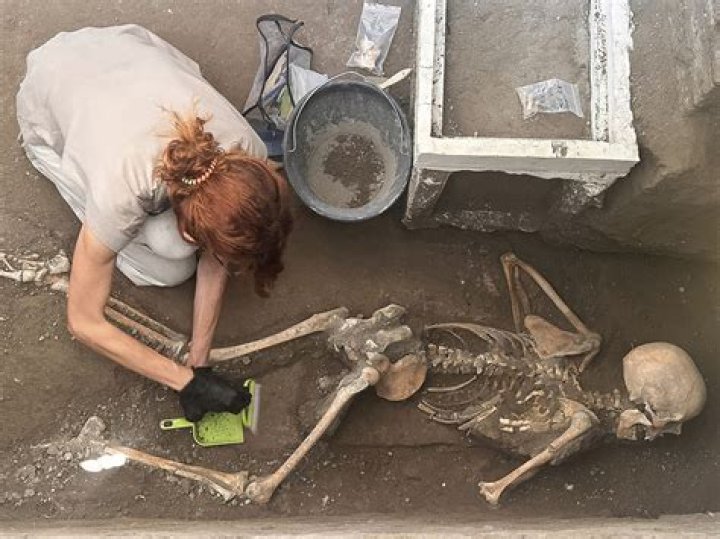
- Absence of Archaeological Evidence: Archaeological excavations at the site of Khan Baba's shrine have not uncovered any evidence to corroborate his existence, such as a tomb or personal belongings.
- Discrepancies in Oral Traditions: The oral traditions and stories surrounding Khan Baba vary widely, lacking consistency and historical accuracy.
- Fabricated Documents: Some documents purporting to be from Khan Baba's time have been found to be forgeries or fabrications, further casting doubt on his authenticity.
The lack of historical evidence raises questions about the veracity of Khan Baba's existence and the origins of the beliefs and practices associated with him. It highlights the importance of critical examination and the need for reliable documentation to support historical claims.
Fabricated Relics
The accusation that the relics attributed to Khan Baba are forgeries or fabrications is a central aspect of the "khan baba fake" controversy. These relics, which include a staff, a robe, and a footprint, are venerated by Khan Baba's followers as proof of his existence and miraculous powers.
- Counterfeit Artifacts: Some critics have alleged that the relics are not genuine artifacts from Khan Baba's time, but rather modern fabrications created to lend credibility to his legend.
- Lack of Provenance: The provenance of the relics is unclear, and there is no documented chain of custody to establish their authenticity.
- Scientific Analysis: Scientific analysis of the relics has not been able to conclusively determine their age or origin, further fueling doubts about their authenticity.
- Commercial Interests: Accusations have been made that the relics are being used for commercial gain, with individuals or organizations profiting from their display and veneration.
The controversy surrounding the relics has implications for the credibility of Khan Baba's story and the authenticity of his shrine. It raises questions about the role of religious institutions in preserving and promoting religious narratives, and the need for critical evaluation of religious claims.
Miraculous Claims
The skepticism towards the miraculous powers and events associated with Khan Baba is a significant aspect of the "khan baba fake" controversy. Khan Baba's followers attribute various miraculous powers to him, including the ability to heal the sick, grant wishes, and perform supernatural feats.
However, many skeptics question the authenticity of these claims. They point to the lack of credible evidence to support the miraculous events attributed to Khan Baba. Moreover, they argue that such claims are often used to exploit the faith and credulity of believers.
The skepticism towards Khan Baba's miraculous powers has led some to conclude that he is a fabricated figure, and that the stories surrounding him are mere legends or fabrications. Others argue that even if Khan Baba did exist, the miraculous powers attributed to him are exaggerated or embellished.
The debate over Khan Baba's miraculous powers highlights the importance of critical thinking and the need to evaluate religious claims based on evidence and reason. It also raises questions about the role of faith and belief in shaping religious narratives.
Financial Exploitation
The commercialization of Khan Baba's shrine and the alleged exploitation of his followers are significant aspects of the "khan baba fake" controversy. Critics argue that the shrine has become a money-making enterprise, with individuals and organizations profiting from the sale of religious, offerings, and other services.
- Admission Fees and Donations: Visitors to Khan Baba's shrine are expected to pay admission fees and make donations, which are a major source of revenue for the shrine's management.
- Sale of Religious Merchandise: The shrine complex houses numerous shops selling religious, such as prayer beads, amulets, and clothing, which are often priced at inflated rates.
- Paid Rituals and Services: Devotees are encouraged to participate in paid rituals and services, such as special prayers, blessings, and spiritual guidance, which are often performed by individuals claiming to possess special powers.
- Exploitation of Vulnerable Followers: Critics allege that some individuals and organizations prey on the vulnerability of Khan Baba's followers, using emotional manipulation and fear tactics to extract money and donations.
The concerns about financial exploitation at Khan Baba's shrine raise questions about the integrity of religious institutions and the ethical responsibilities of religious leaders. They also highlight the need for transparency and accountability in the management of religious sites and the protection of devotees from exploitation.
Social Cohesion
The role of Khan Baba's shrine in fostering community and providing a sense of belonging is a significant aspect of the "khan baba fake" controversy. For many devotees, the shrine is a central gathering place where they can connect with their faith, share cultural traditions, and find support from fellow believers.
The sense of community and belonging fostered by the shrine can have a positive impact on individuals and society as a whole. It can provide a sense of purpose, meaning, and social support, which can contribute to well-being and resilience. However, the controversy surrounding Khan Baba's authenticity has raised concerns about the potential negative consequences of this social cohesion.
If the claims about Khan Baba's inauthenticity are true, it could undermine the trust and faith that devotees have in the shrine and its leaders. This could lead to disillusionment, disengagement, and a loss of the sense of community and belonging that the shrine has provided. Additionally, it could damage the reputation of other religious sites and institutions, making it more difficult for people to find meaningful spiritual connections.
The connection between social cohesion and the "khan baba fake" controversy highlights the importance of transparency, accountability, and authenticity in religious institutions. It also underscores the need for critical thinking and informed decision-making when evaluating religious claims and practices.
Government Involvement
The Pakistani government's involvement in promoting and regulating Khan Baba's shrine is a significant aspect of the "khan baba fake" controversy. The government's actions have shaped the shrine's development, influenced public perception, and raised questions about the relationship between religion and the state in Pakistan.
- Official Recognition and Support: The Pakistani government has officially recognized Khan Baba's shrine as a religious site and provided financial support for its development and maintenance. This recognition has lent legitimacy to the shrine and contributed to its popularity.
- Regulation of Religious Practices: The government has also implemented regulations to control religious practices at the shrine. These regulations aim to ensure order and prevent un-Islamic activities, but they have also been criticized for limiting religious freedom and suppressing dissent.
- Tourism Promotion: The government has promoted Khan Baba's shrine as a tourist destination, highlighting its religious and cultural significance. This promotion has increased the shrine's visibility and attracted visitors from around the world.
- Political Interference: Some critics have accused the government of using the shrine for political purposes, such as gaining support from religious groups or influencing elections. Such allegations have raised concerns about the separation of religion and state.
The government's involvement in Khan Baba's shrine has had a complex and multifaceted impact. While it has contributed to the shrine's development and popularity, it has also raised questions about the role of the state in religious matters and the potential for political manipulation. The ongoing controversy surrounding the shrine highlights the tensions between religious belief, cultural heritage, and government regulation.
Media Coverage
The media plays a significant role in shaping public opinion about Khan Baba's authenticity. Through various channels, the media disseminates information, frames narratives, and influences perceptions about the controversy surrounding Khan Baba.
- News Reporting: Media outlets report on the latest developments in the Khan Baba controversy, including allegations of forgery, investigations, and expert opinions. This reporting can shape public understanding of the issue and influence attitudes towards Khan Baba's authenticity.
- Documentaries and Investigative Journalism: In-depth documentaries and investigative journalism have shed light on the evidence and controversies surrounding Khan Baba. These productions can provide a more comprehensive analysis of the issue and challenge prevailing narratives.
- Social Media: Social media platforms have become a battleground for debates and discussions about Khan Baba's authenticity. Supporters and skeptics alike use social media to share information, express opinions, and engage in online debates.
- Entertainment Media: Television shows, movies, and other forms of entertainment media have incorporated the Khan Baba controversy into their storylines or used it as a backdrop for fictional narratives. This can influence public perception by presenting different perspectives on the issue and shaping cultural attitudes.
The media's coverage of Khan Baba's authenticity has both positive and negative implications. On the one hand, it can raise awareness, facilitate public debate, and hold those in power accountable. On the other hand, it can also spread misinformation, sensationalize the issue, and contribute to the polarization of opinions.
Academic Research
In the midst of the "khan baba fake" controversy, academic research plays a crucial role in shedding light on the historical and religious significance of Khan Baba. Scholars from various disciplines are engaged in ongoing efforts to examine the evidence, analyze the narratives, and provide a deeper understanding of this complex issue.
- Historical Investigation: Scholars are scrutinizing historical records, archaeological findings, and oral traditions to determine the existence and timeline of Khan Baba. By examining contemporary accounts, inscriptions, and physical evidence, they aim to establish a more accurate historical context for the figure.
- Religious Analysis: Researchers are analyzing the religious beliefs and practices associated with Khan Baba, exploring their origins, evolution, and significance within the broader context of Islam. They examine the rituals, doctrines, and devotional practices to uncover the religious dimensions of the Khan Baba phenomenon.
- Textual Criticism: Scholars are critically examining the texts attributed to Khan Baba, including alleged revelations, sermons, and other writings. By analyzing the language, style, and content of these texts, they seek to determine their authenticity, authorship, and historical value.
- Socio-Cultural Impact: Researchers are investigating the social and cultural impact of the Khan Baba controversy, examining its effects on religious beliefs, community dynamics, and broader Pakistani society. They explore how the controversy has shaped perceptions of religious authority, challenged traditional narratives, and influenced social discourse.
These multifaceted research efforts provide valuable insights into the "khan baba fake" controversy, contributing to a more informed and nuanced understanding of the historical, religious, and socio-cultural dimensions of this complex issue.
Interfaith Dialogue
The "khan baba fake" controversy has the potential to spark interfaith dialogue and understanding by highlighting the importance of critical thinking, historical inquiry, and respectful engagement with different religious beliefs and practices.
The controversy surrounding Khan Baba's authenticity has raised questions about the nature of religious authority, the reliability of historical narratives, and the role of religious institutions in shaping our understanding of the past. These questions are not unique to Islam but are relevant to all religions. By engaging in interfaith dialogue about the Khan Baba controversy, people of different faiths can share their perspectives, learn from each other, and develop a deeper understanding of the challenges and opportunities facing religious communities in the modern world.
Interfaith dialogue can also help to promote mutual respect and tolerance between different religious groups. By coming together to discuss difficult issues in a spirit of openness and mutual respect, people of different faiths can build bridges of understanding and cooperation. This is especially important in a world where religious tensions are often exploited by those who seek to divide and conquer. The Khan Baba controversy can serve as a catalyst for interfaith dialogue and understanding, helping to create a more just and harmonious world.
Frequently Asked Questions About the "Khan Baba Fake" Controversy
The "khan baba fake" controversy has sparked many questions and discussions. Here are answers to some of the most frequently asked questions:
Question 1: Is there any historical evidence to support the existence of Khan Baba?Answer: There is no definitive historical evidence to support the existence of Khan Baba. Contemporary records and archaeological excavations have not yielded any conclusive proof of his life or activities.
Question 2: Why do some people believe that Khan Baba is fake?Answer: Doubts about Khan Baba's authenticity stem from the lack of historical evidence, inconsistencies in oral traditions, and allegations of forged relics. Skeptics argue that the stories surrounding Khan Baba are likely fabrications or exaggerations.
Question 3: What is the significance of the Khan Baba controversy?Answer: The Khan Baba controversy raises important questions about religious belief, historical accuracy, and the role of religious institutions. It highlights the need for critical inquiry, transparency, and accountability in religious matters.
Question 4: How has the Khan Baba controversy affected the shrine and its followers?Answer: The controversy has led to a decline in the number of devotees visiting the shrine. Some followers have lost faith in the authenticity of Khan Baba, while others continue to believe in his miraculous powers.
Question 5: What lessons can we learn from the Khan Baba controversy?Answer: The Khan Baba controversy teaches us the importance of critical thinking, historical research, and interfaith dialogue. It reminds us to question religious claims, seek evidence, and respect differing beliefs.
Question 6: What is the future of the Khan Baba shrine?Answer: The future of the Khan Baba shrine is uncertain. It may continue to attract devotees who believe in Khan Baba's miraculous powers, or it may gradually lose its significance as people become more aware of the controversy surrounding its origins.
Summary: The "khan baba fake" controversy is a complex and multifaceted issue with implications for religious belief, historical accuracy, and social cohesion. It serves as a reminder of the importance of critical inquiry, transparency, and respectful dialogue in matters of faith.
Transition to the next article section: This article has explored the "khan baba fake" controversy in depth. In the next section, we will examine the broader implications of this controversy for religious belief and social harmony.
Tips Regarding the "Khan Baba Fake" Controversy
The "khan baba fake" controversy highlights the importance of critical thinking, historical research, and interfaith dialogue in matters of faith. Here are some tips to keep in mind:
Tip 1: Question Religious Claims
Do not blindly accept religious claims. Ask for evidence, examine sources, and consider alternative perspectives. Encourage healthy skepticism and critical inquiry.
Tip 2: Conduct Historical Research
Refer to historical documents, archaeological findings, and scholarly studies to verify the accuracy of religious narratives. Seek out reliable sources and evaluate evidence objectively.
Tip 3: Engage in Interfaith Dialogue
Foster open and respectful conversations with people of different faiths. Learn about their beliefs, share perspectives, and work towards mutual understanding. Interfaith dialogue promotes tolerance and cooperation.
Tip 4: Be Aware of Emotional Appeals
Religious leaders and institutions may use emotional appeals to sway beliefs. Recognize these tactics and rely on reason and critical thinking when making decisions about faith.
Tip 5: Promote Transparency and Accountability
Encourage transparency and accountability in religious institutions. Ask questions, demand evidence, and support organizations that operate with integrity and openness.
Tip 6: Respect Differing Beliefs
Respect the beliefs of others, even if you do not share them. Engage in respectful dialogue, avoid ridicule or belittlement, and strive to maintain harmonious relationships.
Summary: By following these tips, individuals can navigate the complexities of religious belief, promote historical accuracy, and foster interfaith understanding in the context of the "khan baba fake" controversy and beyond.
Transition to the article's conclusion: These tips empower individuals to make informed decisions about religious matters, contribute to a more just and harmonious society, and uphold the principles of critical thinking and intellectual integrity.
Conclusion
The "khan baba fake" controversy has sparked a critical examination of religious belief, historical accuracy, and social cohesion. It has highlighted the need for critical thinking, transparency, and interfaith dialogue in matters of faith.
This controversy serves as a reminder that religious claims should not be accepted blindly. It is crucial to question, research, and engage in respectful dialogue to arrive at informed decisions about religious matters. By upholding the principles of critical thinking and intellectual integrity, we can contribute to a more just and harmonious society that values truth-seeking and mutual understanding.
Unveiling The Teacher Salary Schedule For 2024: Discoveries And Insights Await
Unleash Your Shower Oasis: AirPods Reimagined
Unveiling The "Accident Byford Dolphin": Discoveries And Insights Revealed