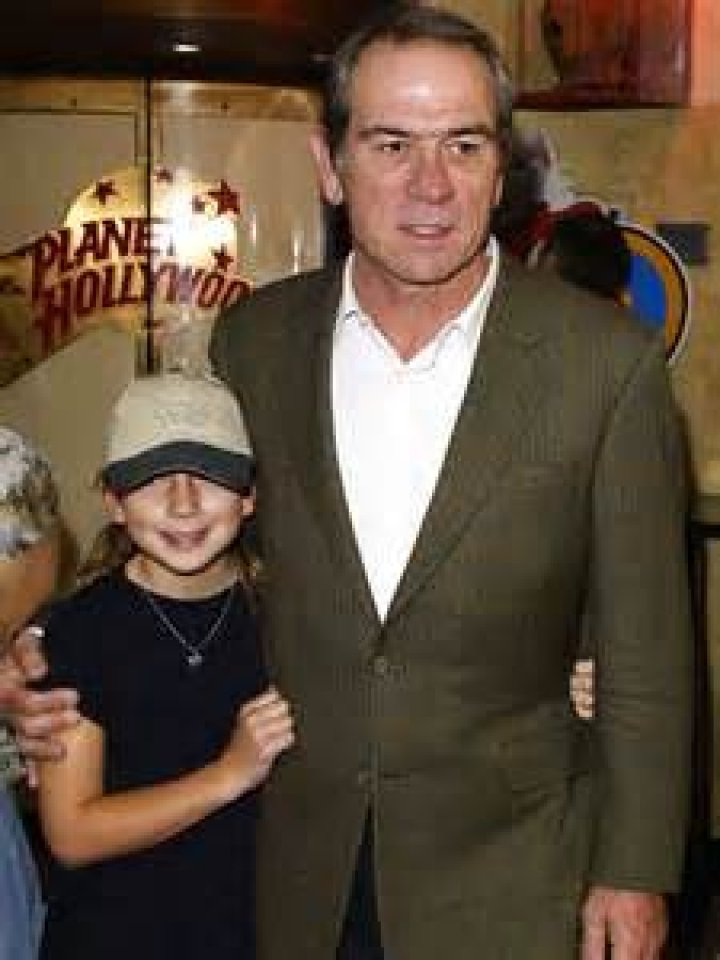
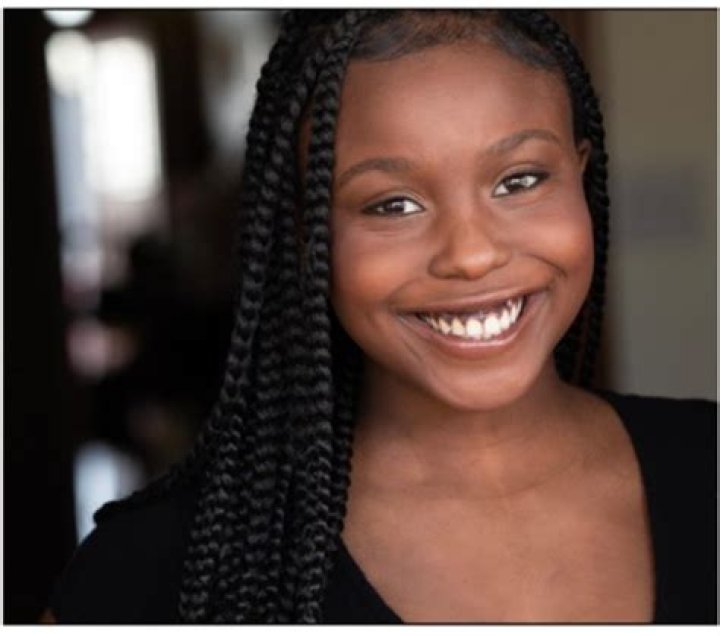
George Clooney's twins have a genetic condition called Down syndrome. Down syndrome is a condition in which a person has an extra copy of chromosome 21. This extra copy of the chromosome can cause a range of physical and mental health issues, including intellectual disability, developmental delays, and physical abnormalities.
The incidence of Down syndrome is about 1 in 700 live births. It is the most common genetic cause of intellectual disability. Down syndrome can be diagnosed during pregnancy or after birth. There is no cure for Down syndrome, but there are treatments that can help to improve the quality of life for people with the condition.
George Clooney and his wife, Amal, have been open about their twins' Down syndrome diagnosis. They have said that they are proud of their children and that they are committed to helping them live happy and fulfilling lives.
George Clooney's Twins and Down Syndrome
George Clooney and his wife, Amal, have twins, Ella and Alexander, who were born in 2017. Ella and Alexander have Down syndrome, a genetic condition that can cause a range of physical and mental health issues.
The Clooneys have been open about their children's Down syndrome diagnosis. They have said that they are proud of their children and that they are committed to helping them live happy and fulfilling lives.
Down syndrome is the most common genetic cause of intellectual disability. It is caused by an extra copy of chromosome 21. This extra copy of the chromosome can cause a range of physical and mental health issues, including:
- Intellectual disability
- Developmental delays
- Physical abnormalities
- Heart defects
- Gastrointestinal problems
- Eye problems
- Hearing problems
There is no cure for Down syndrome, but there are treatments that can help to improve the quality of life for people with the condition. These treatments may include:
- Early intervention services
- Special education
- Speech therapy
- Physical therapy
- Occupational therapy
People with Down syndrome can live full and happy lives. They can learn, work, and have relationships. They can also make valuable contributions to their communities.
Personal Details and Bio Data of George Clooney
| Name | Date of Birth | Place of Birth | Occupation ||---|---|---|---|| George Clooney | May 6, 1961 | Lexington, Kentucky, U.S. | Actor, director, producer, and screenwriter |George Clooney is an American actor, director, producer, and screenwriter. He is one of the most popular and successful actors in Hollywood. Clooney has won two Academy Awards, three Golden Globe Awards, and a BAFTA Award. He is also a recipient of the AFI Life Achievement Award.Intellectual disability
Intellectual disability is a condition characterized by significant limitations in both intellectual functioning and adaptive behavior. It is caused by a variety of factors, including genetic disorders, brain injury, and prenatal exposure to toxins. Intellectual disability can range from mild to profound, and it can affect a person's ability to learn, communicate, and care for themselves.
George Clooney's twins, Ella and Alexander, have Down syndrome, a genetic condition that can cause intellectual disability. The extra copy of chromosome 21 that people with Down syndrome have can affect their cognitive development, leading to intellectual disability. The severity of the intellectual disability can vary from person to person, and it is important to note that not all people with Down syndrome have intellectual disability.
Intellectual disability can have a significant impact on a person's life. It can affect their ability to learn, work, and live independently. However, with early intervention and support, people with intellectual disability can live happy and fulfilling lives. They can learn, work, and have relationships. They can also make valuable contributions to their communities.
Developmental delays
Developmental delays are a common feature of Down syndrome. They can affect a child's physical, cognitive, and social development. Physical developmental delays may include delays in reaching motor milestones, such as sitting, crawling, and walking. Cognitive developmental delays may include delays in language development, problem-solving skills, and memory. Social developmental delays may include difficulty with social interactions and communication.
The developmental delays associated with Down syndrome can vary from child to child. Some children may have only mild delays, while others may have more significant delays. Early intervention services can help to improve the developmental outcomes of children with Down syndrome. These services may include:
- Speech therapy
- Physical therapy
- Occupational therapy
- Special education
With early intervention and support, children with Down syndrome can make significant progress in their development. They can learn to walk, talk, and interact with others. They can also learn to read, write, and work. Children with Down syndrome can live happy and fulfilling lives.
Physical abnormalities
Physical abnormalities are common in people with Down syndrome. They can range from minor to severe, and they can affect any part of the body. Some of the most common physical abnormalities associated with Down syndrome include:
- Microcephaly: Microcephaly is a condition in which the head is smaller than normal. It can be caused by a variety of factors, including Down syndrome. Microcephaly can lead to intellectual disability and developmental delays.
- Cleft lip and palate: Cleft lip and palate are birth defects that occur when the lip or palate does not form properly during pregnancy. They can be caused by a variety of factors, including Down syndrome. Cleft lip and palate can lead to feeding difficulties, speech problems, and hearing loss.
- Congenital heart defects: Congenital heart defects are birth defects that occur when the heart does not form properly during pregnancy. They can be caused by a variety of factors, including Down syndrome. Congenital heart defects can range from mild to severe, and they can require surgery to correct.
- Gastrointestinal problems: Gastrointestinal problems are common in people with Down syndrome. They can include constipation, diarrhea, and gastroesophageal reflux disease (GERD). Gastrointestinal problems can lead to malnutrition and other health problems.
The physical abnormalities associated with Down syndrome can vary from person to person. Some people with Down syndrome may have only a few minor physical abnormalities, while others may have more significant abnormalities. It is important to note that not all people with Down syndrome have physical abnormalities.
Heart defects
Heart defects are one of the most common birth defects in children with Down syndrome. They occur in about half of all children with Down syndrome. Heart defects can range from mild to severe, and they can require surgery to correct.
- Atrial septal defect (ASD) is a hole in the wall between the two upper chambers of the heart. ASDs are the most common type of heart defect in children with Down syndrome. They can cause shortness of breath, fatigue, and heart failure.
- Ventricular septal defect (VSD) is a hole in the wall between the two lower chambers of the heart. VSDs are the second most common type of heart defect in children with Down syndrome. They can cause shortness of breath, fatigue, and heart failure.
- Tetralogy of Fallot is a combination of four heart defects: a VSD, an ASD, a narrowed pulmonary artery, and an enlarged right ventricle. Tetralogy of Fallot is a serious heart defect that can require surgery to correct.
- Truncus arteriosus is a heart defect in which the aorta and pulmonary artery are connected to the heart by a single trunk. Truncus arteriosus is a serious heart defect that requires surgery to correct.
Heart defects can be a serious health problem for children with Down syndrome. However, with early diagnosis and treatment, most children with heart defects can live full and healthy lives.
Gastrointestinal problems
Gastrointestinal problems are common in people with Down syndrome. They can include constipation, diarrhea, and gastroesophageal reflux disease (GERD). Gastrointestinal problems can lead to malnutrition and other health problems.
- Constipation is a common problem in people with Down syndrome. It can be caused by a variety of factors, including decreased muscle tone in the intestines, delayed gastric emptying, and dehydration. Constipation can lead to abdominal pain, bloating, and difficulty passing stools.
- Diarrhea is another common problem in people with Down syndrome. It can be caused by a variety of factors, including infections, food intolerances, and malabsorption. Diarrhea can lead to dehydration, electrolyte imbalance, and malnutrition.
- Gastroesophageal reflux disease (GERD) is a condition in which stomach contents flow back into the esophagus. GERD can cause heartburn, regurgitation, and pain. It can also lead to esophageal damage and Barrett's esophagus, a precancerous condition.
Gastrointestinal problems can have a significant impact on the health and well-being of people with Down syndrome. They can lead to malnutrition, dehydration, and other health problems. Early diagnosis and treatment of gastrointestinal problems is important to prevent these complications.
Eye problems
Eye problems are common in people with Down syndrome. They can range from minor to severe, and they can affect any part of the eye. Some of the most common eye problems associated with Down syndrome include:
- Strabismus is a condition in which the eyes do not align properly. It can cause double vision and depth perception problems. Strabismus is the most common eye problem in people with Down syndrome.
- Nystagmus is a condition in which the eyes move rapidly and involuntarily. It can make it difficult to focus and see clearly. Nystagmus is common in people with Down syndrome.
- Refractive errors are common in people with Down syndrome. Refractive errors occur when the shape of the eye does not allow light to focus properly on the retina. This can cause nearsightedness, farsightedness, or astigmatism.
- Cataracts are a clouding of the lens of the eye. Cataracts can cause blurred vision, glare, and difficulty seeing in low light. Cataracts are more common in people with Down syndrome than in the general population.
Eye problems can have a significant impact on the quality of life for people with Down syndrome. They can make it difficult to learn, work, and participate in everyday activities. Early diagnosis and treatment of eye problems is important to prevent vision loss and other complications.
Hearing problems
Hearing problems are common in people with Down syndrome. They can range from mild to severe, and they can affect one or both ears. Hearing problems can be caused by a variety of factors, including fluid in the middle ear, ear infections, and malformations of the inner ear.
- Conductive hearing loss is caused by problems in the outer or middle ear that prevent sound waves from reaching the inner ear. Conductive hearing loss can be caused by a variety of factors, including fluid in the middle ear, ear infections, and malformations of the ear canal or eardrum.
- Sensorineural hearing loss is caused by damage to the inner ear or the nerve that connects the inner ear to the brain. Sensorineural hearing loss can be caused by a variety of factors, including genetics, exposure to loud noise, and certain medications.
- Mixed hearing loss is a combination of conductive and sensorineural hearing loss.
Hearing problems can have a significant impact on the quality of life for people with Down syndrome. They can make it difficult to learn, communicate, and participate in everyday activities. Early diagnosis and treatment of hearing problems is important to prevent these complications.
Early intervention services
Early intervention services are essential for children with Down syndrome. These services can help children with Down syndrome reach their full potential and live happy and fulfilling lives. Early intervention services may include speech therapy, physical therapy, occupational therapy, and special education.
Speech therapy can help children with Down syndrome develop their language skills. Physical therapy can help children with Down syndrome improve their motor skills. Occupational therapy can help children with Down syndrome learn how to perform everyday tasks, such as eating, dressing, and bathing. Special education can help children with Down syndrome learn academic skills, such as reading, writing, and math.
The George Clooney twins, Ella and Alexander, have Down syndrome. They have received early intervention services since they were born. These services have helped them to develop their language skills, motor skills, and cognitive skills. Ella and Alexander are now thriving in school and are active in their community.
Early intervention services are essential for children with Down syndrome. These services can help children with Down syndrome reach their full potential and live happy and fulfilling lives.
Special education
Special education is an essential component of early intervention services for children with Down syndrome. It can help children with Down syndrome learn academic skills, such as reading, writing, and math. Special education teachers are trained to work with children with disabilities and can provide individualized instruction to meet the needs of each child.
The George Clooney twins, Ella and Alexander, have Down syndrome and have benefited from special education services. Ella and Alexander attend a special education preschool where they receive individualized instruction in reading, writing, and math. They also receive speech therapy and physical therapy at school.
Special education has helped Ella and Alexander to make significant progress in their development. They are now able to read and write simple words and sentences. They can also count to 100 and solve simple math problems. Ella and Alexander are also able to participate in many of the same activities as their peers, such as playing sports and going to the movies.
Special education is an important part of early intervention services for children with Down syndrome. It can help children with Down syndrome learn the skills they need to succeed in school and in life.
Speech therapy
Speech therapy is an essential component of early intervention services for children with Down syndrome. It can help children with Down syndrome develop their language skills, which are necessary for communication, learning, and social interaction.
- Articulation therapy helps children with Down syndrome learn to produce speech sounds correctly. This may involve teaching them how to place their tongue and lips in the correct position to produce a sound, or how to control their breathing to produce sound smoothly.
- Language therapy helps children with Down syndrome develop their vocabulary and grammar skills. This may involve teaching them new words, how to use words in sentences, and how to understand the meaning of words and sentences.
- Pragmatics therapy helps children with Down syndrome learn how to use language appropriately in social situations. This may involve teaching them how to start and end conversations, how to take turns speaking, and how to use appropriate body language and facial expressions.
- Augmentative and alternative communication (AAC) is a system of communication that uses symbols, gestures, or electronic devices to help children with Down syndrome who have difficulty speaking. AAC can help children with Down syndrome to communicate their needs, wants, and thoughts.
Speech therapy can have a significant impact on the lives of children with Down syndrome. It can help them to communicate more effectively, learn new skills, and participate more fully in their communities.
Physical therapy
Physical therapy is an essential component of early intervention services for children with Down syndrome. It can help children with Down syndrome improve their motor skills, which are necessary for everyday activities such as walking, running, and playing. Physical therapy can also help children with Down syndrome develop strength, coordination, and balance.
The George Clooney twins, Ella and Alexander, have Down syndrome and have benefited from physical therapy services. Ella and Alexander receive physical therapy at their local children's hospital. Their physical therapist works with them to improve their gross motor skills, such as walking and running. They also work on fine motor skills, such as using their hands to pick up objects and play with toys.
Physical therapy has helped Ella and Alexander to make significant progress in their development. They are now able to walk and run independently. They can also use their hands to play with toys and feed themselves. Physical therapy has also helped Ella and Alexander to develop strength, coordination, and balance. They are now able to participate in many of the same activities as their peers, such as playing sports and going to the park.
Occupational therapy
Occupational therapy is an essential component of early intervention services for children with Down syndrome. It can help children with Down syndrome learn how to perform everyday tasks, such as eating, dressing, and bathing. Occupational therapy can also help children with Down syndrome develop fine motor skills, such as using their hands to pick up objects and play with toys.
- Self-care skills
Occupational therapists can help children with Down syndrome learn how to perform self-care skills, such as eating, dressing, and bathing. These skills are essential for children to be able to live independently.
- Fine motor skills
Occupational therapists can also help children with Down syndrome develop fine motor skills, such as using their hands to pick up objects and play with toys. These skills are essential for children to be able to learn and participate in everyday activities.
- Sensory processing
Occupational therapists can also help children with Down syndrome with sensory processing issues. Sensory processing issues can make it difficult for children to process sensory information, such as touch, sound, and light. This can lead to problems with attention, behavior, and social interaction.
- Play skills
Occupational therapists can also help children with Down syndrome develop play skills. Play is an important part of child development and can help children learn and grow. Occupational therapists can help children with Down syndrome learn how to play independently and with others.
Occupational therapy can have a significant impact on the lives of children with Down syndrome. It can help them to learn how to perform everyday tasks, develop fine motor skills, and process sensory information. Occupational therapy can also help children with Down syndrome to learn how to play and interact with others.
FAQs about George Clooney's Twins and Down Syndrome
Down syndrome is a genetic condition that can cause a range of physical and mental health issues. George Clooney's twins, Ella and Alexander, have Down syndrome. The Clooneys have been open about their children's diagnosis and have said that they are proud of them and committed to helping them live happy and fulfilling lives.
Question 1: What is Down syndrome?
Answer: Down syndrome is a genetic condition that is caused by the presence of an extra copy of chromosome 21. This extra copy of the chromosome can cause a range of physical and mental health issues, including intellectual disability, developmental delays, and physical abnormalities.
Question 2: How common is Down syndrome?
Answer: Down syndrome is the most common genetic cause of intellectual disability, affecting about 1 in 700 live births.
Question 3: What are the symptoms of Down syndrome?
Answer: The symptoms of Down syndrome can vary from person to person, but may include intellectual disability, developmental delays, and physical abnormalities such as a flattened facial profile, an enlarged tongue, and short stature.
Question 4: How is Down syndrome diagnosed?
Answer: Down syndrome can be diagnosed during pregnancy or after birth. During pregnancy, Down syndrome can be diagnosed through a blood test or an ultrasound. After birth, Down syndrome can be diagnosed through a physical examination and a genetic test.
Question 5: Is there a cure for Down syndrome?
Answer: There is no cure for Down syndrome, but there are treatments that can help to improve the quality of life for people with the condition. These treatments may include early intervention services, special education, speech therapy, physical therapy, and occupational therapy.
Question 6: What is the life expectancy of someone with Down syndrome?
Answer: The life expectancy of someone with Down syndrome has increased significantly in recent decades. Today, people with Down syndrome can expect to live into their 60s or 70s.
Summary of key takeaways or final thought: Down syndrome is a genetic condition that can cause a range of physical and mental health issues. There is no cure for Down syndrome, but there are treatments that can help to improve the quality of life for people with the condition.
Transition to the next article section: People with Down syndrome can live full and happy lives. They can learn, work, and have relationships. They can also make valuable contributions to their communities.
Tips for Supporting Individuals with Down Syndrome
Down syndrome is a genetic condition that can cause a range of physical and mental health issues. However, with the right support, individuals with Down syndrome can live happy and fulfilling lives.
Tip 1: Be patient and understanding. Individuals with Down syndrome may learn and develop at a different pace than their peers. It is important to be patient and understanding, and to provide them with the time and support they need to reach their full potential.
Tip 2: Encourage independence. It is important to encourage independence in individuals with Down syndrome. This means giving them the opportunity to do things for themselves, even if it takes them longer or they need some assistance.
Tip 3: Be positive and supportive. Individuals with Down syndrome need to know that they are loved and supported. It is important to be positive and encouraging, and to focus on their strengths and abilities.
Tip 4: Get involved in your community. There are many organizations and resources available to support individuals with Down syndrome and their families. Get involved in your community and connect with other families who are going through similar experiences.
Tip 5: Educate yourself. The more you know about Down syndrome, the better equipped you will be to support individuals with the condition. There are many resources available to help you learn more about Down syndrome, including books, websites, and support groups.
By following these tips, you can help individuals with Down syndrome reach their full potential and live happy and fulfilling lives.
Remember, individuals with Down syndrome are just like everyone else. They have the same hopes and dreams, and they deserve the same opportunities to succeed in life.
Conclusion
George Clooney's twins, Ella and Alexander, have Down syndrome. The Clooneys have been open about their children's diagnosis and have said that they are proud of them and committed to helping them live happy and fulfilling lives. Ella and Alexander are thriving and are a testament to the fact that individuals with Down syndrome can live full and productive lives.
Down syndrome is a genetic condition that can cause a range of physical and mental health issues. However, with the right support, individuals with Down syndrome can reach their full potential and live happy and fulfilling lives. It is important to be patient, understanding, and supportive of individuals with Down syndrome. It is also important to encourage independence and to get involved in the community. By working together, we can create a more inclusive world for individuals with Down syndrome.
Evan Cohen's Wife: Uncovering The Talent Behind The Scenes
Mandana Bolourchi: Uncovering The Multifaceted Artist And Activist
Unveiling The Enigma: Dr. Iain McGilchrist's Wife Revealed